About Reflective tapes
Reflective tapes are safety materials designed to bounce light back to its sourcea property known as retroreflectivity. They are primarily used to enhance visibility in low-light or nighttime conditions, making objects, vehicles, and people clearly visible to motorists or operators using headlamps. These tapes are broadly categorized by their constructionusing either microscopic glass beads or man-made microprismsand their performance is often measured in candelas (brightness).
Core Performance Grades
Tapes are typically classified under international standards like ASTM D4956 into different "Types" or grades based on their brightness and durability.
Engineer Grade (Type 1): The most common and budget-friendly option. It uses glass beads to return about 30% of light, dispersing it in a wide pattern like a floodlight. It is best for non-critical signage (e.g., parking lot signs) and has an outdoor life of about 7 years.
High-Intensity Prismatic (Type 3/4): Features a distinct honeycomb pattern that more than doubles the brightness of engineer grade. It is used for traffic cones, barricades, and busy road signs, typically lasting 10 years.
Diamond Grade (Type 8/11): The "gold standard" for visibility, utilizing cube-corner prisms to return nearly 60% of available light. It is visible from extreme distances and used for critical highway signage and conspicuity markings for large trucks.
Specialized Material Types
Reflective tapes are also defined by their backing material to suit specific surfaces:
Adhesive-Backed (PVC/PET): Standard peel-and-stick tapes used on rigid surfaces like metal, plastic, or helmets.
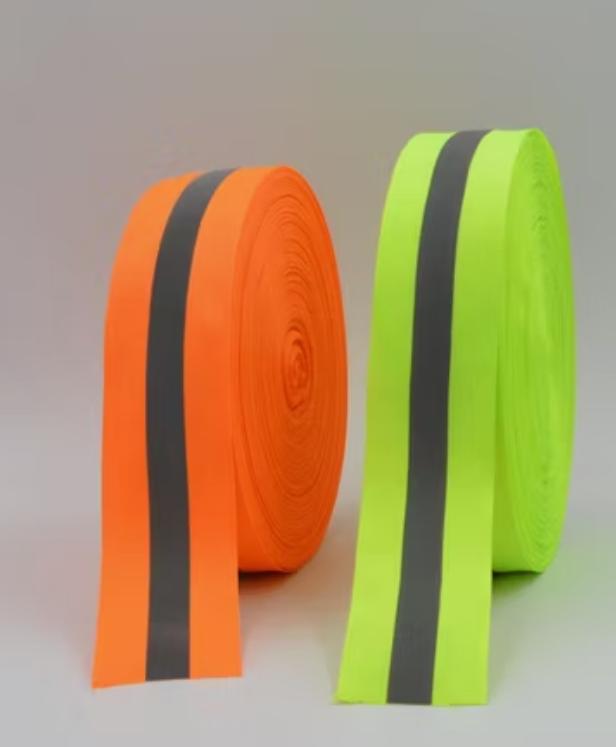
Sew-On (Fabric): Often used for high-visibility workwear, including jackets and uniforms for construction or emergency responders.
SOLAS (Safety of Life at Sea): The brightest marine-grade tape, visible from over 3,000 feet. It is specifically designed to resist harsh saltwater environments and is found on life jackets and survival suits.
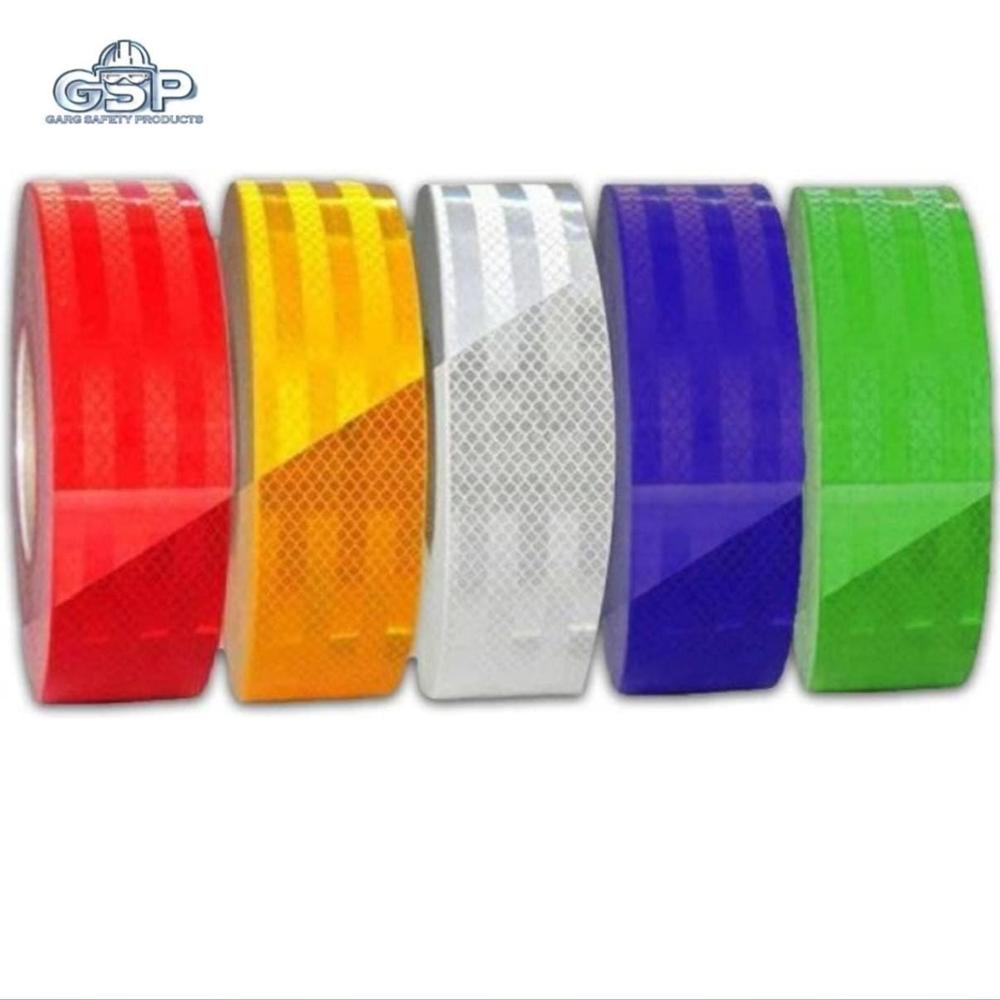
High-Intensity Reflective PerformanceDesigned with advanced reflective technology, these tapes ensure superior night visibility and safety marking in low-light or hazardous conditions. The honeycomb pattern not only maximizes reflectivity but also enhances the visual appeal for road safety and marking purposes. Reliable across a range of temperatures, you can trust it for consistent outdoor use.
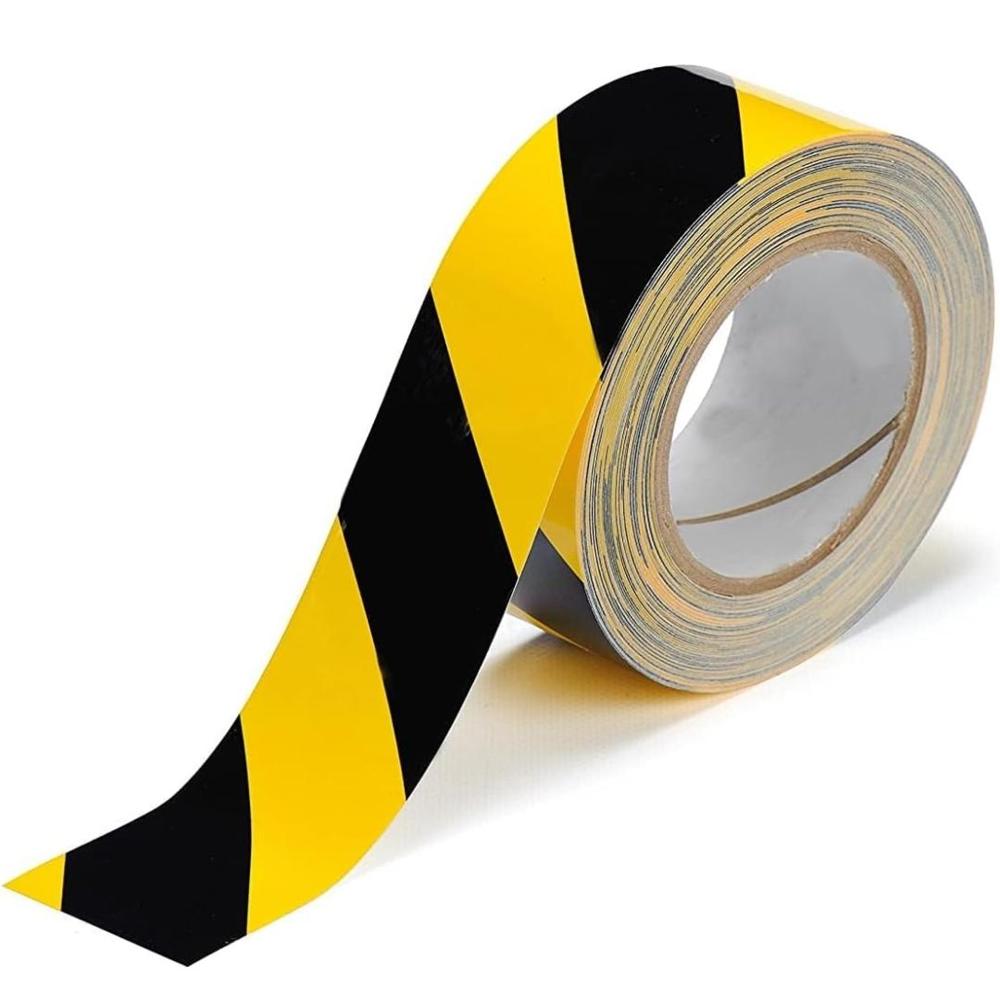
Customizable and Versatile ApplicationsChoose from multiple color options and customizable length or width to fit specific needs-from demarcating construction zones to safety markings on vehicles and helmets. The PVC, PET, or acrylic materials lend durability, while pressure-sensitive adhesive makes installation quick and straightforward. This tape suits a variety of safety-critical environments and is also available with custom printing.
FAQ's of Reflective tapes:
Q: How do I apply the reflective tape for best adhesion and durability?
A: For optimal adhesion, ensure the application surface is clean, dry, and free from dust or oil. Peel away the release paper backing and firmly press the pressure-sensitive adhesive tape onto the surface, smoothing out any bubbles as you go. This will help the tape achieve maximum longevity and reflectivity.
Q: What are the main benefits of using high-intensity reflective tape?
A: The main benefits include significantly improved night visibility, enhanced safety marking for hazardous areas, and long-lasting outdoor durability (up to 3-5 years). Its honeycomb pattern and high reflectivity make it especially effective for traffic safety and hazard warning applications.
Q: Where is it suitable to use this reflective tape?
A: This tape is ideal for various outdoor and indoor safety uses such as traffic signs, road barriers, vehicles, personal safety gear like helmets, as well as construction sites. Its water and temperature resistance ensure reliable performance in diverse environments.
Q: What options are available regarding color, size, and printing?
A: You can choose from red, yellow, white, blue, or green. Tape length (45 meters standard) and width (50 mm) can be customized, and there is an option for custom printing if needed. These options allow you to tailor the tape to your specific safety requirements.
Q: How does the tape handle extreme weather conditions and moisture?
A: The tape is engineered to withstand temperatures ranging from -20C to 60C and is water-resistant, ensuring continuous performance even in challenging outdoor conditions. Its construction further prevents peeling or fading caused by rain or UV exposure.
Q: What materials are used in the manufacture of this tape?
A: These reflective tapes are made from high-quality PVC, PET, or acrylic, which contribute to their strength, flexibility, and resistance to environmental wear. The adhesive used is pressure-sensitive, and the tape is supplied with a convenient release paper backing for easy application.




 Send Inquiry

 Send Inquiry