About Cation/Barrication tape
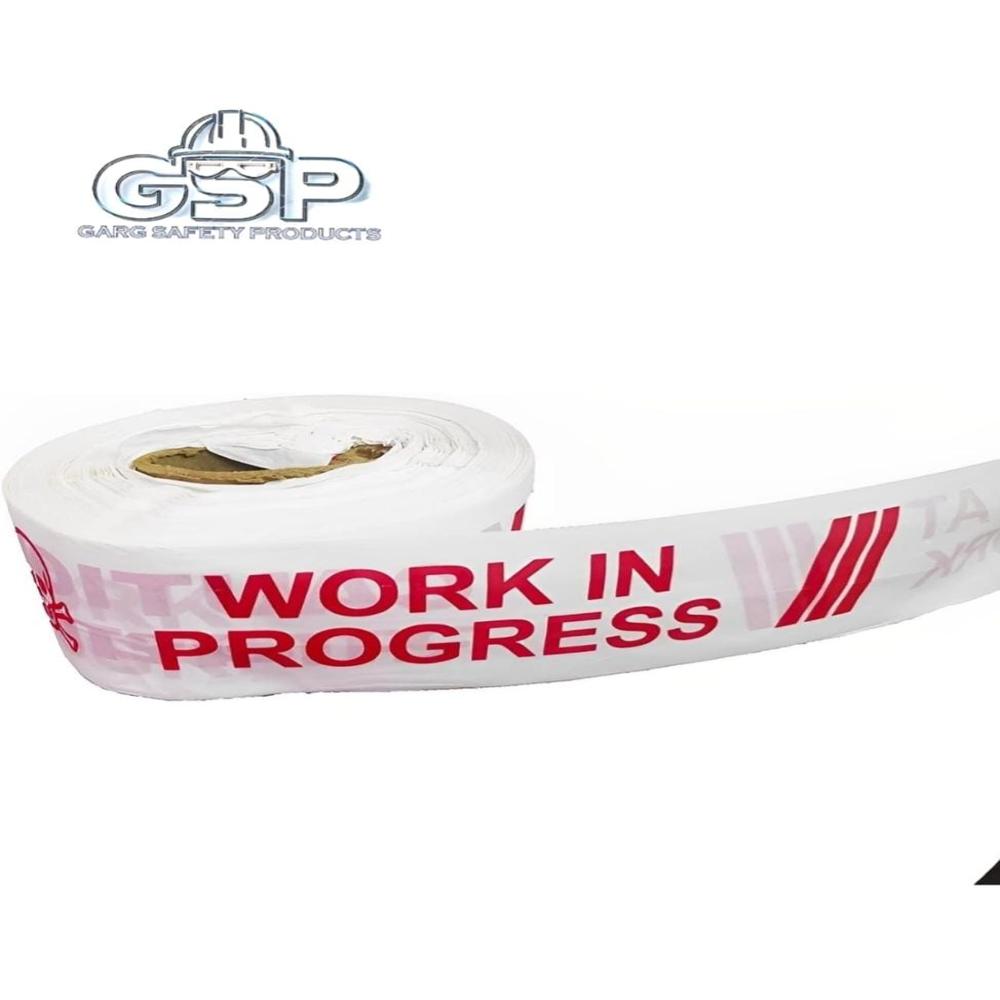
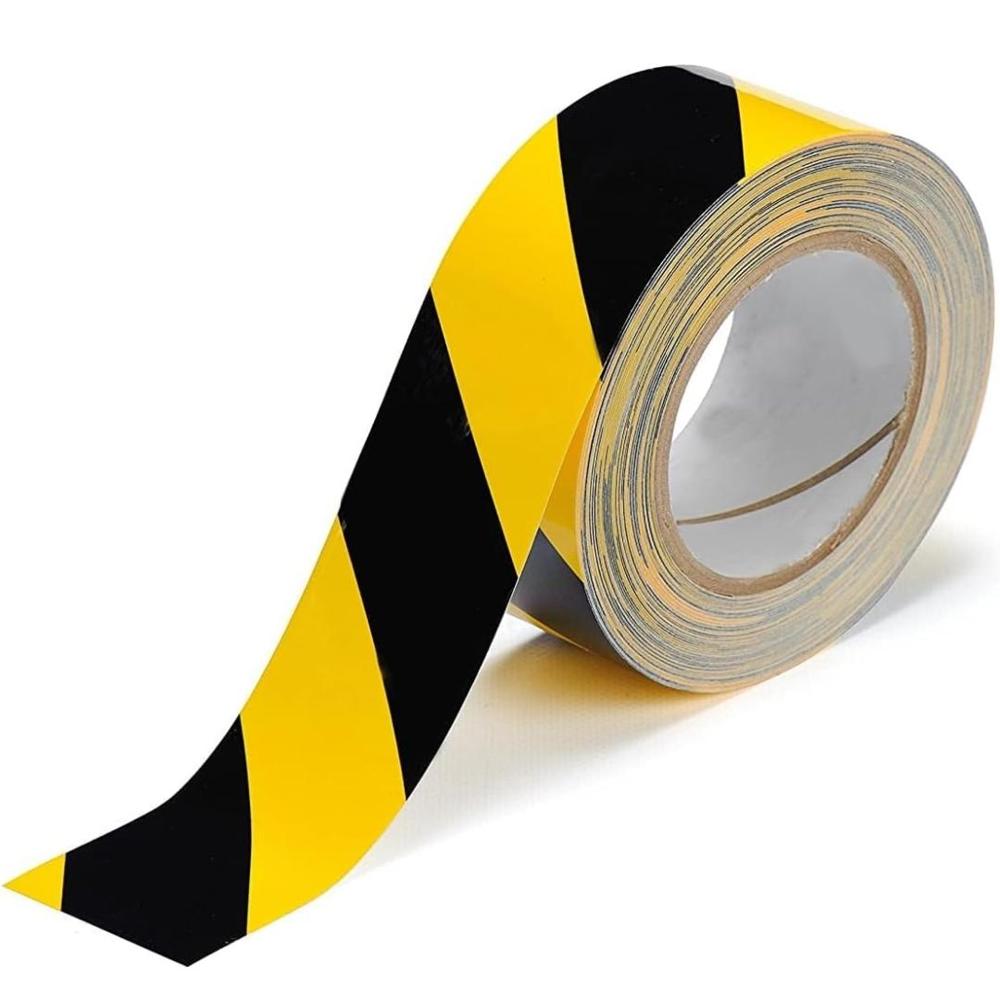
Barricade tape (also known as caution, warning, or barrier tape) is a non-adhesive, brightly coloured plastic film used to create a visual and physical barrier around hazardous or restricted areas. It is a temporary safety tool designed to capture attention and warn passersby of potential risks such as construction zones, crime scenes, or industrial hazards.
Standard Color Meanings (OSHA/ANSI)
Following standardized OSHA color codes ensures that workers and the public can identify the type of hazard at a glance.
Yellow/Black: The most common caution tape. It signals a potential hazard or caution (e.g., trip hazards, low-hanging objects, or general work zones).
Red: Indicates DANGER and immediate, high-risk hazards. Entry is strictly restricted to authorized personnel only (e.g., overhead work, open pits, or live electrical components).
Orange/White: Used for traffic control and alerting motorists or pedestrians to road repairs and closures.
Wikipedia
Wikipedia
Magenta (Purple)/Yellow: Specifically reserved for radiation hazards and radioactive material storage.
Green/White: Marks the location of safety equipment, such as first aid kits, eyewash stations, or emergency exits.
Blue/White: Identifies defective machinery or equipment that is under repair and should not be operated.
Material & Durability
Most barricade tapes are engineered to withstand harsh outdoor environments without losing visibility.
Polyethylene (PE): The standard lightweight material. It is waterproof, tear-resistant, and often features UV-resistant inks to prevent fading in sunlight.
Nylon or Woven Polypropylene: Heavy-duty versions used for longer-term projects where high wind resistance and tensile strength are required.
Thickness: Standard safety tapes usually range from 2 mil to 4 mil (
to
), while reinforced versions for high-wind areas can be 5 mil or thicker.
Key Application Rules
Placement: Tape should be erected approximately 6 feet (1.8 meters) away from the actual hazard to provide a safe buffer zone.
Visibility: It must be unrolled and tied securely to posts or structures to prevent sagging, which can reduce visibility and effectiveness.
Signage: For high-risk areas (Red Tape), it is recommended to include accompanying safety signs that detail the specific hazard and contact information for the responsible supervisor.




 Send Inquiry

 Send Inquiry