About Barrication tape
Barricade tape (also known as caution, warning, or barrier tape) is a non-adhesive, brightly coloured plastic film used to create a visual and physical barrier around hazardous or restricted areas. It is a temporary safety tool designed to capture attention and warn passersby of potential risks such as construction zones, crime scenes, or industrial hazards.
Standard Color Meanings (OSHA/ANSI)
Following standardized OSHA color codes ensures that workers and the public can identify the type of hazard at a glance.
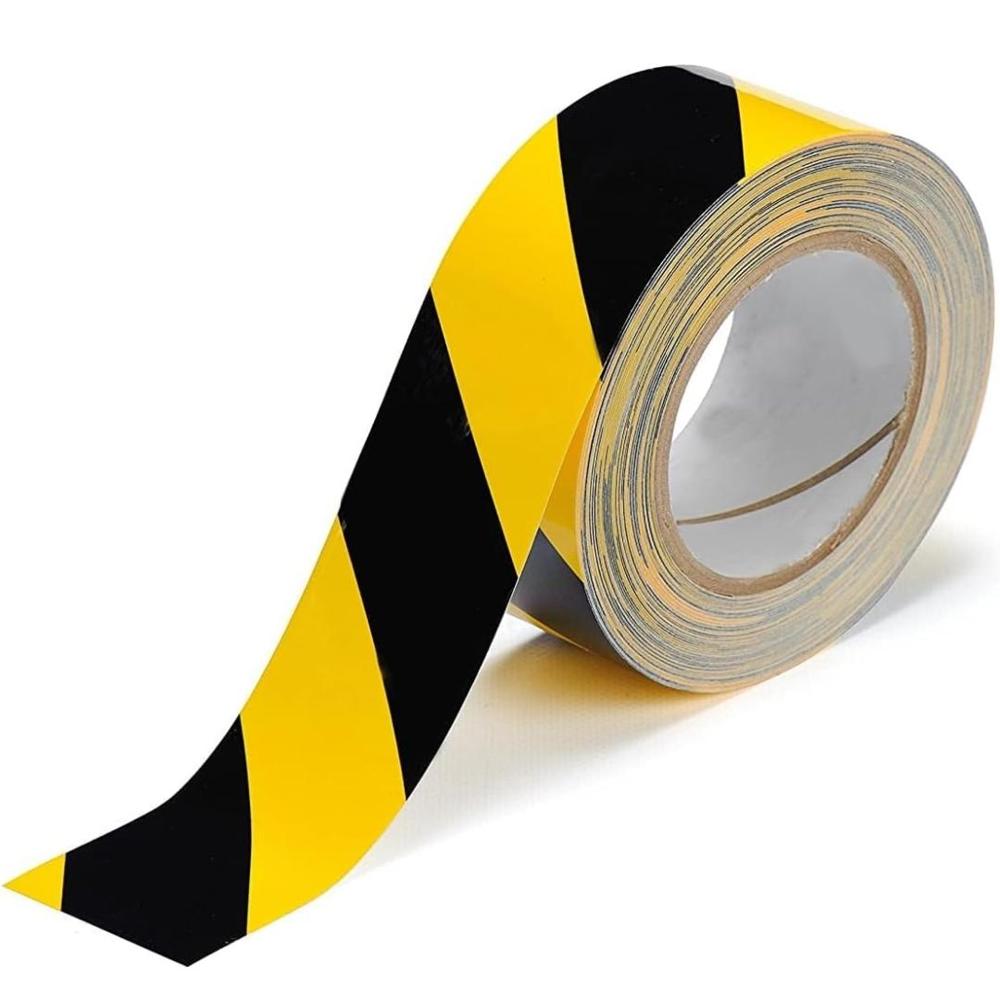
Yellow/Black: The most common caution tape. It signals a potential hazard or caution (e.g., trip hazards, low-hanging objects, or general work zones).
Red: Indicates DANGER and immediate, high-risk hazards. Entry is strictly restricted to authorized personnel only (e.g., overhead work, open pits, or live electrical components).
Orange/White: Used for traffic control and alerting motorists or pedestrians to road repairs and closures.
Wikipedia
Wikipedia
Magenta (Purple)/Yellow: Specifically reserved for radiation hazards and radioactive material storage.
Green/White: Marks the location of safety equipment, such as first aid kits, eyewash stations, or emergency exits.
Blue/White: Identifies defective machinery or equipment that is under repair and should not be operated.
Material & Durability
Most barricade tapes are engineered to withstand harsh outdoor environments without losing visibility.
Polyethylene (PE): The standard lightweight material. It is waterproof, tear-resistant, and often features UV-resistant inks to prevent fading in sunlight.
Nylon or Woven Polypropylene: Heavy-duty versions used for longer-term projects where high wind resistance and tensile strength are required.
Thickness: Standard safety tapes usually range from 2 mil to 4 mil (
to
), while reinforced versions for high-wind areas can be 5 mil or thicker.
Key Application Rules
Placement: Tape should be erected approximately 6 feet (1.8 meters) away from the actual hazard to provide a safe buffer zone.
Visibility: It must be unrolled and tied securely to posts or structures to prevent sagging, which can reduce visibility and effectiveness.
Signage: For high-risk areas (Red Tape), it is recommended to include accompanying safety signs that detail the specific hazard and contact information for the responsible supervisor.
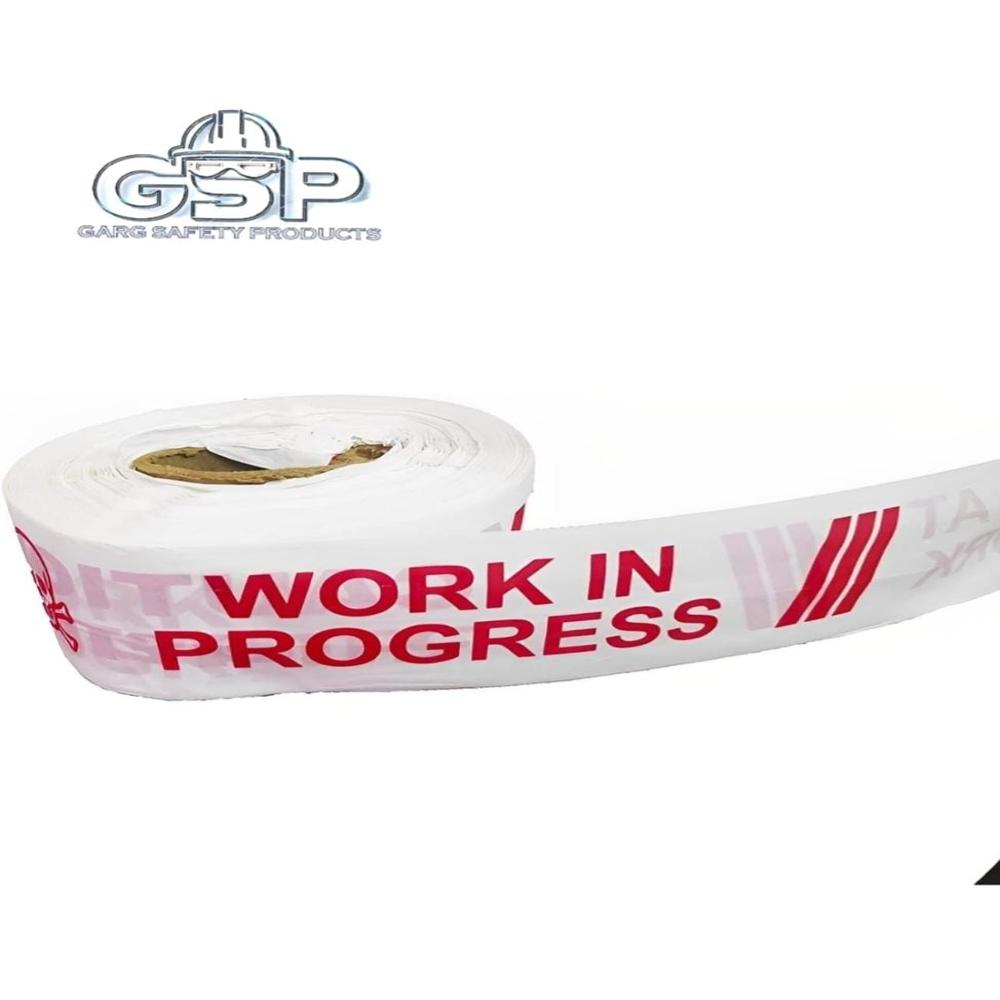
High Visibility and DurabilityThe combination of a white background and striking red text ensures the tape is easily noticed in both indoor and outdoor conditions. Made from tear-resistant polyethylene, it holds up well under everyday stress and harsh weather, providing ongoing safety and reliability in challenging environments.
Customizable for Your NeedsTailor the tape to fit specific job requirements-length, width, and even custom text or logos can be provided. This flexibility supports effective hazard communication for diverse industries and applications.
Eco-Friendly and Safe PackagingWith full recyclability and individually wrapped rolls, the tape not only helps protect the environment but also ensures hygiene and convenience during transport and storage.
FAQ's of Barrication tape:
Q: How should I use the barricade tape on a construction site?
A: Securely unroll and stretch the tape between posts, cones, or other supports to cordon off hazardous or restricted areas at your construction site. The bright color and bold text help to alert personnel and the public to potential dangers.
Q: What materials is the tape made from, and how does this benefit usage?
A: The tape is made of polyethylene (PE), providing durability, water resistance, and a standard-grade tear-resistant quality. This material ensures long-lasting performance, even in challenging weather or worksite conditions.
Q: When should I replace the barricade tape?
A: You should replace the tape when it becomes damaged, faded, or loses visibility. Its robust construction means it generally lasts well, but regular assessment ensures ongoing safety.
Q: Where can this tape be effectively applied?
A: Use the tape in construction zones, accident scenes, worksite perimeters, or any environment requiring clear demarcation of hazardous or restricted areas. Its high visibility ensures it is suitable for both indoor and outdoor settings.
Q: What is the process for ordering custom-printed barricade tape?
A: Simply specify your required length, width, and provide your custom text or logo information. The manufacturer will produce the tape according to your specifications, ensuring it meets your organization's branding or safety communication needs.
Q: Is the tape environmentally friendly?
A: Yes, the tape is fully recyclable. Its eco-conscious design allows you to maintain safety standards without compromising on environmental responsibility.




 Send Inquiry

 Send Inquiry