About sport type
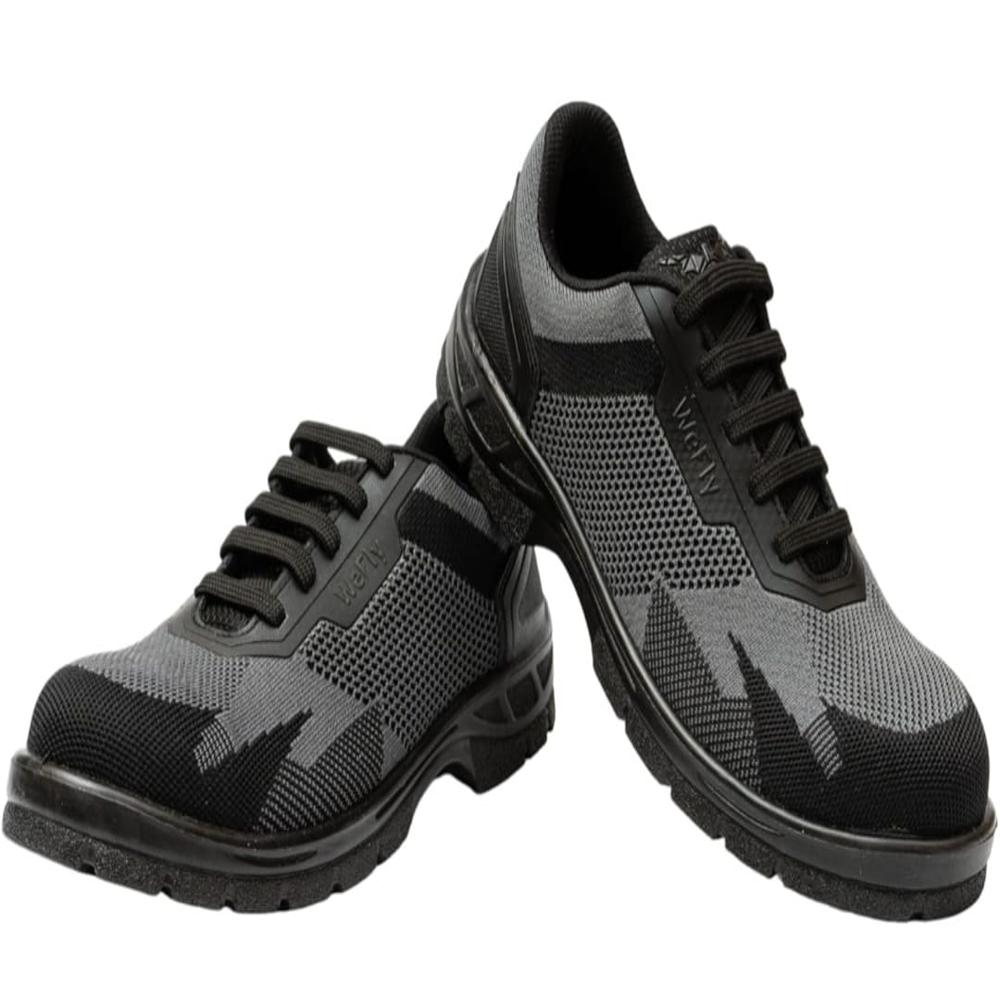
Sport-type safety shoes (often called safety sneakers) are modern protective footwear designed to look and feel like athletic trainers while meeting industrial safety standards. They bridge the gap between heavy, clunky traditional work boots and lightweight running shoes, making them ideal for workers who are constantly on the move.
Key Construction Elements
Athletic Midsole: Unlike rigid boots, these use high-rebound materials like EVA (Ethyl Vinyl Acetate) or PU (Polyurethane). This provides "bounce" and shock absorption, reducing leg fatigue for workers walking on concrete for 810 hours.
Composite Toe Cap: To keep the shoe lightweight and "sporty," they often use composite (plastic/carbon fiber) or aluminum toe caps instead of heavy steel. These are non-metallic, non-conductive, and won't set off metal detectors.
Breathable Upper: The exterior is typically made from 3D Fly-knit mesh, micro-fiber, or perforated leather. This ensures high airflow to prevent sweaty feet, a common issue with traditional leather boots.
Kevlar Puncture-Resistant Midsole: Instead of a heavy steel plate, many sport safety shoes use a flexible Kevlar (aramid fiber) layer to protect the foot from sharp objects like nails while allowing the shoe to bend naturally.
Performance Specifications
Feature Specification Benefit
Safety Standard IS 15298 or ASTM F2413 Ensures impact and compression resistance.
Outsole SRC Rated Rubber Maximum slip resistance on oily or wet surfaces.
Weight 400g 600g per shoe Significantly lighter than 800g+ standard boots.
ESD/Antistatic Optional Feature Prevents static buildup, crucial for electronics work.
Best Use Cases
Warehouse & Logistics: For staff who walk long distances and need agility.
Light Manufacturing: Suitable for assembly lines where heavy-impact risks are lower.
Delivery & Couriers: Provides a professional athletic look with toe protection for handling heavy parcels.
Supervisors & Engineers: Ideal for moving between the office and the shop floor without changing shoes.




 Send Inquiry

 Send Inquiry