About low ankle
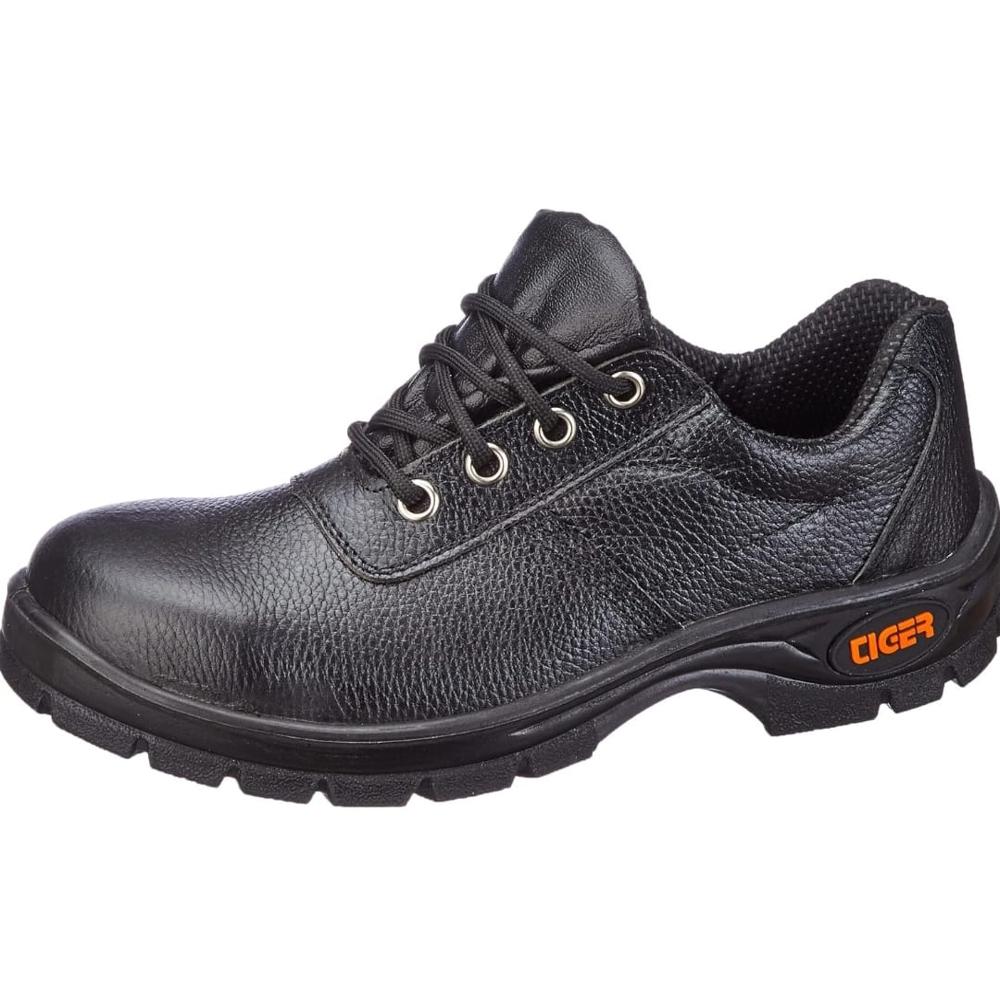
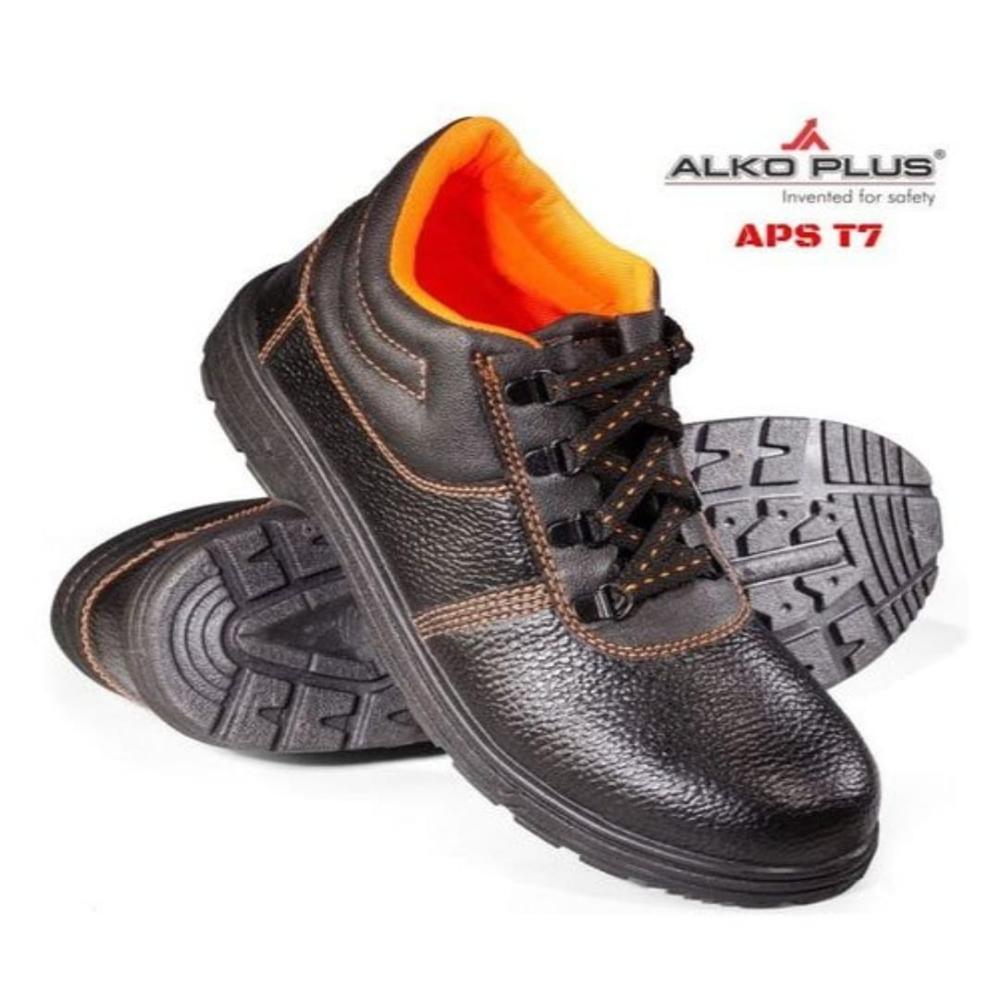
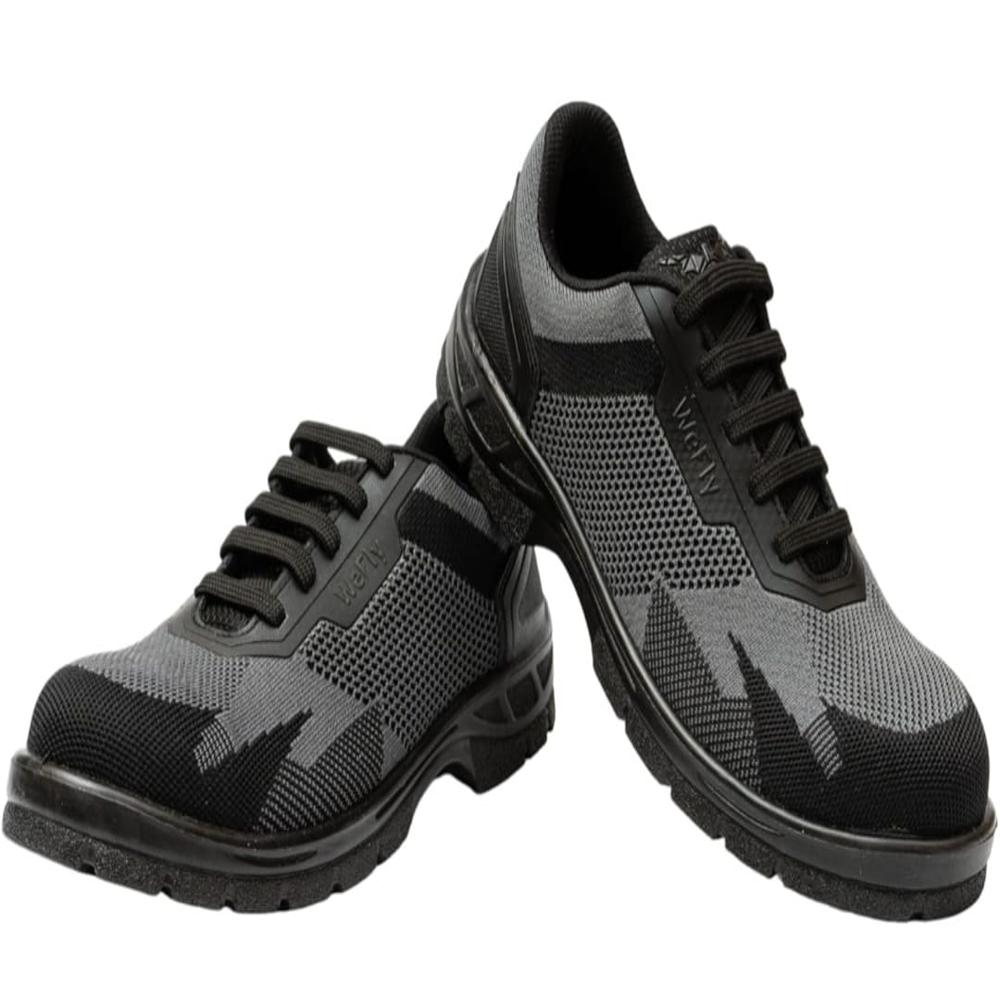
Low ankle safety shoes (also known as safety oxfords or low-cut safety shoes) are professional protective footwear designed to sit below the ankle bone, similar to a standard sneaker or dress shoe. They are the most popular choice for workers who prioritize agility, lightweight comfort, and a professional appearance in environments where extreme ankle support isn't the primary concern.
Key Advantages
Maximum Mobility: The low-cut design allows for a full range of motion at the ankle joint, making them ideal for workers who frequently climb stairs, crouch, or operate vehicle pedals (like forklift or truck drivers).
Lightweight & Less Fatiguing: Because they use less material than high-cut boots, they are significantly lighter. This reduces leg fatigue during long shifts involving heavy walking.
Breathability: Low-cut shoes offer better air circulation around the ankle, helping to keep feet cooler in hot indoor environments like warehouses or assembly lines.
Professional Look: Many models are designed to look like executive office shoes or athletic sneakers, allowing managers and engineers to move seamlessly from the boardroom to the shop floor.
Core Components
Upper Materials: Typically made from breathable leather (Barton or suede) or synthetic mesh for a sportier feel.
Toe Protection: Equipped with either a Steel Toe (traditional/durable) or a Composite Toe (lightweight/non-metallic).
Outsoles: Usually feature Single or Dual-Density PU soles that provide cushioning and are certified for slip resistance (SRA/SRB/SRC).
Insole: Often includes an anti-fungal, cushioned footbed for all-day comfort.
Comparison: Low Ankle vs. High Ankle
Feature Low Ankle Safety Shoe High Ankle Safety Boot
Ankle Support Minimal; prioritizes movement High; prevents twists/sprains
Weight Very Light Heavier
Best For Indoor/Flat surfaces Outdoor/Uneven terrain
Protection Focuses on toes and sole Protects toes, sole, and ankle bone
Best Use Cases
Warehousing & E-commerce: For picking and packing staff who walk several kilometers a day.
Light Manufacturing: For electronics or pharmaceutical assembly where clean, light footwear is required.
Corporate/Industrial Visits: For executives and engineers who need safety compliance without the "heavy boot" look.
Drivers & Operators: For those who need flexible ankle movement for operating machinery pedals.




 Send Inquiry

 Send Inquiry