About safe harness belt
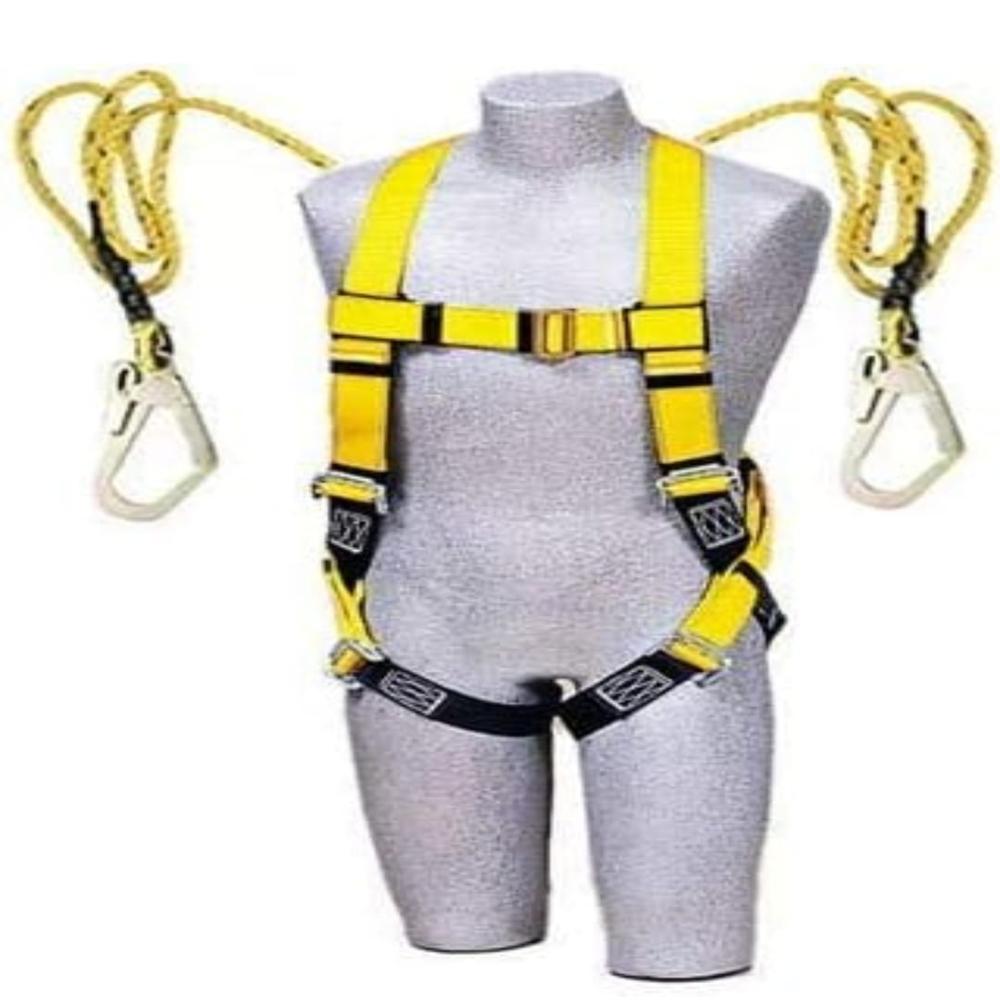
A safe harness belt, typically a full-body harness, is personal protective equipment designed to prevent falls and safely arrest a worker by distributing fall forces across the thighs, pelvis, waist, chest, and shoulders. Key features include durable synthetic webbing, adjustable straps, and alloy steel D-rings for anchor connection.
Key Components and Features:
Webbing: High-strength, durable synthetic webbing (e.g., polyester), usually around 44mm wide, often resistant to abrasion and UV.
D-Rings: Metal rings, often at the back (dorsal) for fall arrest, and on the hips or chest for positioning and rescue.
Adjustable Straps: Adjustable shoulder, thigh, and chest straps ensure a secure, customized fit.
Chest Strap: Prevents the harness from sliding off the user's shoulders.
Leg Straps: Pass around the groin/buttocks, ensuring the user remains secure.
Fall Indicators: Features that show if a harness has already been involved in a fall.
Types of Harness Belts:
Full Body Harness: Designed to arrest severe free falls, common in construction and industrial work.
Work Positioning Belts: Include side D-rings, allowing the user to be supported at a specific location while working.
Restraint Belts: Designed to prevent the worker from ever reaching a fall hazard, often using a single back D-ring.
Suspension Workseat: Used for suspending a worker, such as in painting or window cleaning.
Common Standards:
Safety harnesses should comply with recognized safety standards, such as EN 361:2002 (Full Body Harness) or EN 358:2000 (Work Positioning).
Advanced Safety Features for Optimal ProtectionOur safety harness is fitted with a double lanyard incorporating a shock absorber, reducing impact force in the event of a fall. Forged steel hardware, corrosion-resistant finishes, and reinforced stitching ensure long-lasting reliability. The dorsal D-ring placement, alongside heavy-duty yet lightweight materials, offers both comfort and safety during intensive tasks.
Universal Fit and Easy AdjustmentThe harness boasts adjustable shoulder, chest, and leg straps, accommodating a wide range of body types with a universal fit. Quick-release buckles enable fast, straightforward donning and removal, while the ergonomic design provides optimal weight distribution for reduced fatigue over extended use.
FAQ's of safe harness belt:
Q: How do I properly wear and adjust the safe harness belt with double lanyard?
A: To wear the harness, first loosen all adjustable straps and step into the leg loops. Pull the harness over your shoulders, ensuring the dorsal D-ring sits in the middle of your back. Adjust the shoulder, chest, and leg straps for a snug fit using the quick-release buckles. Secure the lanyards to the appropriate anchorage points before working at height.
Q: What applications are suitable for this safety harness belt?
A: This harness is ideal for industrial safety, construction, scaffolding, and maintenance operations where fall protection is required. Its universal size, robust construction, and compliance with OSHA standards make it suitable for various high-risk work environments.
Q: When should I replace or inspect my harness for safety?
A: Inspect your harness before each use, checking for signs of damage, frayed webbing, or compromised hardware. Replace the harness immediately after any major impact or fall, or if it shows any damage. Regular yearly inspections by a qualified safety professional are recommended. The product should not be used beyond its five-year shelf life.
Q: Where is the anchor connection point located on this harness?
A: The anchor connection point is the dorsal D-ring located at the center of the back, designed to offer secure attachment and optimal weight distribution during a fall arrest event.
Q: What is the benefit of the double lanyard with shock absorber?
A: A double lanyard with a shock absorber allows for continuous protection while moving between anchor points, reducing risk during transitions. The shock absorber significantly lessens the impact force during a fall, enhancing user safety.
Q: How do I care for and store this harness?
A: Clean the harness with mild soap and water, avoiding harsh chemicals. Air dry it away from direct sunlight. Store the harness in a cool, dry place to prevent exposure to moisture and chemicals. Regular maintenance ensures longevity and reliable performance.
Q: What is the recommended user weight and size range for this harness?
A: The harness is designed to accommodate users up to 140 kg and features adjustable straps for a universal fit, ensuring safety and comfort for a wide user base.




 Send Inquiry

 Send Inquiry