About discharge rod
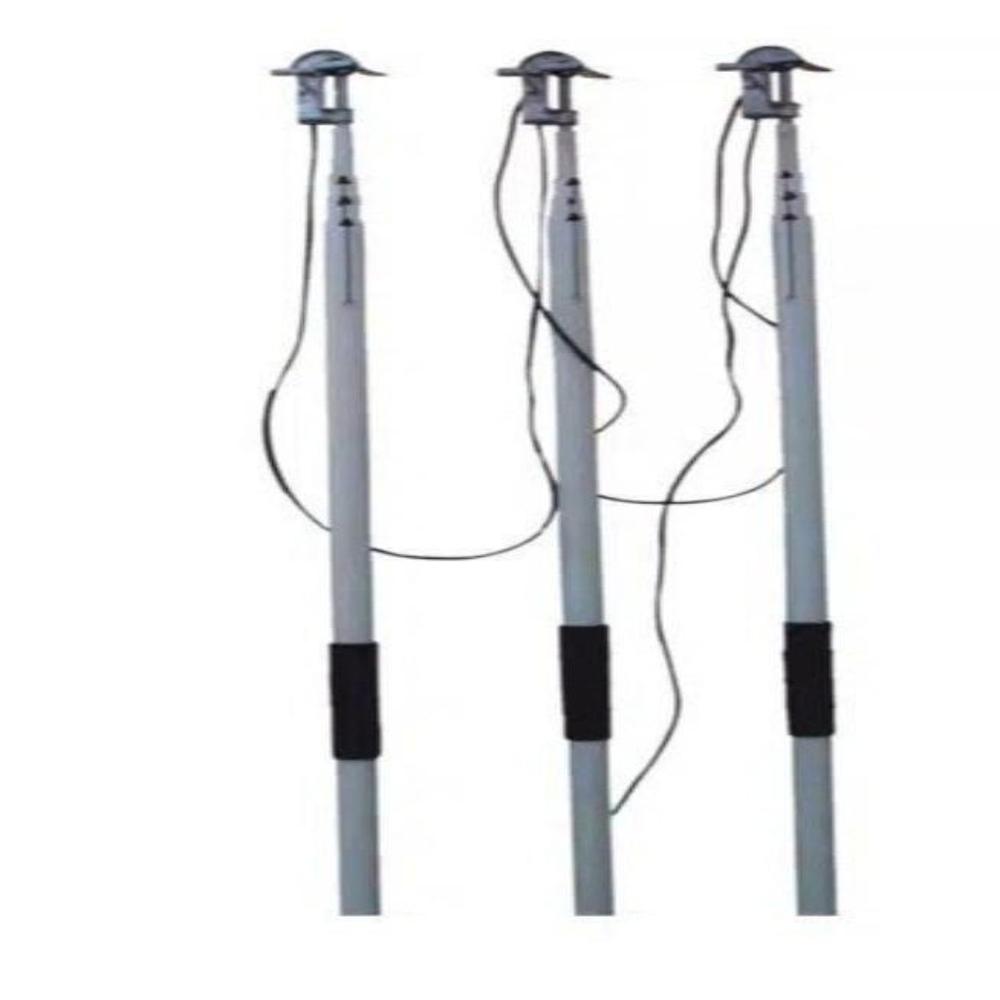
A discharge rod is a crucial high-voltage safety tool designed to safely remove residual, stored, or induced electrical energy from equipment (like cables, capacitors, and transformers) after power is disconnected. It ensures personnel safety against electric shock and unexpected power return during maintenance, featuring a high-voltage resistive rod, insulated handle, flexible earthing cable, and clamp.
Ultimate Safety for High-Voltage WorkEnsure operator safety with this robust discharge rod, designed for electrical grounding and discharge of high-voltage systems. Crafted for reliability, every component-from insulated handle to copper earthing cable-works together to minimize hazards during maintenance. Compliant with recognized standards, this rod is a must-have tool for electrical professionals.
Versatility and CustomizationAvailable in customizable lengths from 3 to 10 meters, the discharge rod adapts to various high-voltage tasks. Its telescopic or multi-section design ensures convenient storage and easy extension according to specific working conditions. Choose your preferred color or grip finish for added visibility and comfort on-site.
FAQ's of discharge rod:
Q: How does a discharge rod improve safety during electrical maintenance?
A: A discharge rod provides a secure, insulated means to ground and discharge residual electricity from high-voltage lines, minimizing the risk of electric shock to maintenance personnel during servicing.
Q: What materials are used in the construction of the discharge rod?
A: The rod is constructed using high-grade fiberglass for the shaft and an insulated PVC-covered handle. The earthing cable is made from flexible copper, while the terminal clamp utilizes a heavy-duty copper alloy for exceptional durability.
Q: When should I use a discharge rod?
A: It should be used before beginning maintenance or inspection work on high-voltage equipment to ensure safe discharge of any residual electrical energy present in the system.
Q: Where can the discharge rod be applied?
A: The discharge rod is suitable for power stations, substations, industrial plants, and anywhere high-voltage lines need grounding and discharging before work is performed.
Q: What is the process for using the discharge rod?
A: To use, securely connect the earthing clamp to a reliable ground. Then, using the insulated handle, bring the rod's terminal clamp into contact with the high-voltage line, allowing residual current to safely discharge through the copper earthing cable.
Q: What are the benefits of a telescopic or multi-section design?
A: Telescopic or multi-section rods offer adjustable length, making them easy to transport and capable of reaching a variety of heights, meeting diverse operational needs with convenience.




 Send Inquiry

 Send Inquiry