About Electrical Gloves
Best Class 2 Rubber Electrical Gloves 17,000V Rated ...Electrical gloves, or dielectric gloves, are essential PPE made of rubber or silicone to protect against electric shock. They are classified by voltage (Class 00 to 4, handling 500V to 36,000V+), designed with ergonomic fits, and often require leather protectors to prevent cuts and punctures. Compliance with standards like IEC 60903 or ASTM D120 is required.
Key Features & Components
Material: High-quality rubber, silicone, or composite materials offering high dielectric strength (resistance to electricity).
Classes & Voltage Levels: Ranging from Class 00 (low voltage/500VAC) to Class 4 (high voltage/36,000VAC).
Design & Comfort: Many have straight cuffs with rolled edges and are designed as right/left specific for, comfort during long usage.
Protection Type: Primarily shock protection, though some are resistant to ozone, acid, and oil.
Required Protective Accessories
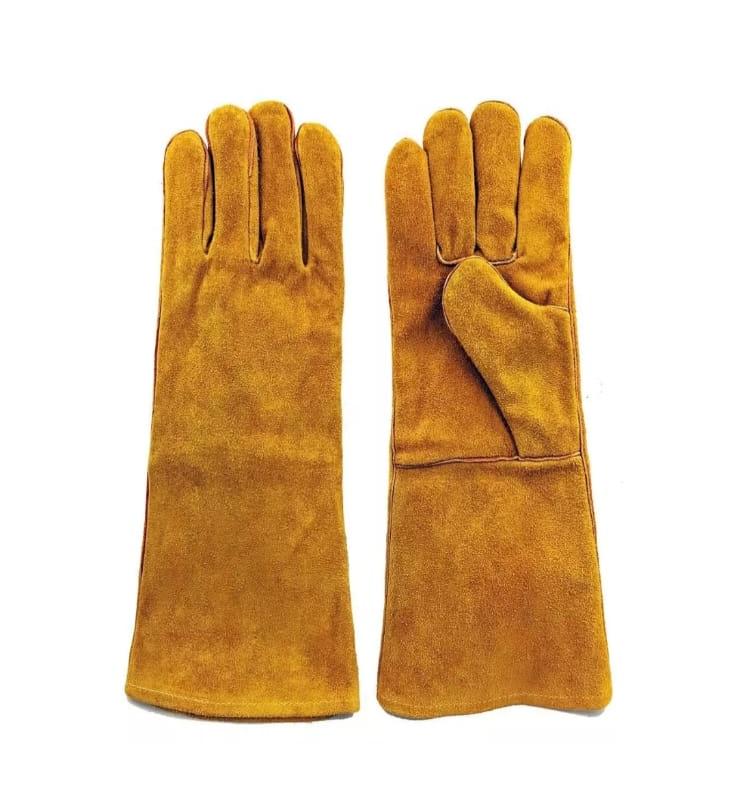
Leather Protectors: Worn over rubber gloves to prevent damage from abrasions, cuts, and punctures.
Glove Liners: Used for sweat absorption, comfort, and warmth.
Storage Bags: Used to prevent damage to the rubber material.
Inspection & Maintenance
Pre-use Inspection: Always check for tears, holes, brittleness, or discoloration.
Air Test: Manually inflate the glove to check for air leaks before each use.
Inspection Cycle: Periodic laboratory testing and inspection dates (usually every 6 months) must be followed.
Common Standards
IEC 60903 / EN 60903: International/European standards for live working gloves.
ASTM D120: Standard Specification for Rubber Insulating Gloves.
CE Category III: For protection against fatal risks.
Reliable Electrical SafetyDesigned to safeguard users from electrical shock, these gloves provide high insulation properties for professionals handling electrical equipment up to 650 Volts AC. Their robust construction and compliance with IS: 4770 standards ensure consistent performance in industrial settings.
Durable and Flexible DesignCrafted with high tensile strength rubber, these gloves offer both flexibility and durability. The seamless palm and full-finger style facilitate a comfortable grip, enhancing maneuverability while resisting wear and tear from daily use.
Protection Against Chemicals and AbrasionEngineered for demanding industrial tasks, these gloves are acid and alkali resistant. Their abrasion-resistant, plain beige surface ensures longevity, even when exposed to harsh chemicals or rough working conditions.
FAQ's of Electrical Gloves:
Q: How do these electrical gloves ensure safety during electrical work?
A: These gloves are made from natural rubber latex, providing high voltage insulation rated for 650 Volts AC and tested up to 5000 Volts AC. The design protects users from electrical shocks, making them suitable for electricians and industrial operators.
Q: What standards do these gloves meet, and why is this important?
A: The gloves comply with IS: 4770 standards, which set rigorous requirements for electrical insulating gloves in terms of material quality, voltage endurance, and safety, ensuring reliable protection during electrical tasks.
Q: When should these electrical insulating gloves be used?
A: They should be worn whenever there is a risk of contact with live electrical circuits up to 650 Volts AC, especially while operating panels, switchboards, or performing maintenance as an electrician or utility technician.
Q: Where are these gloves most beneficial in use?
A: These gloves are ideal for use in electrical and industrial environments, including workshops, switchboard rooms, power stations, and utilities maintenance areas, where handling live equipment is routine.
Q: What is the correct process to inspect these gloves before each use?
A: Before use, visually inspect the gloves for cuts, punctures, or chemical damage. Perform an air inflation test to check for leaks and confirm that the gloves are clean and undamaged for optimal safety.
Q: How should these gloves be maintained for longevity and continued protection?
A: After each use, the gloves should be washed with mild soap, air-dried away from direct sunlight or heat, and stored flat in a cool, dry place. Regular inspection is essential to maintain their durability and safety effectiveness.
Q: What are the main benefits of using these gloves for electrical safety?
A: The gloves offer superior electrical insulation, flexibility, and strong resistance against abrasion and chemicals. Their ergonomic design ensures both comfort and tactile sensitivity, enhancing safety without compromising dexterity.





 Send Inquiry

 Send Inquiry